
Railways jobs
- All Posts
- Railway Jobs
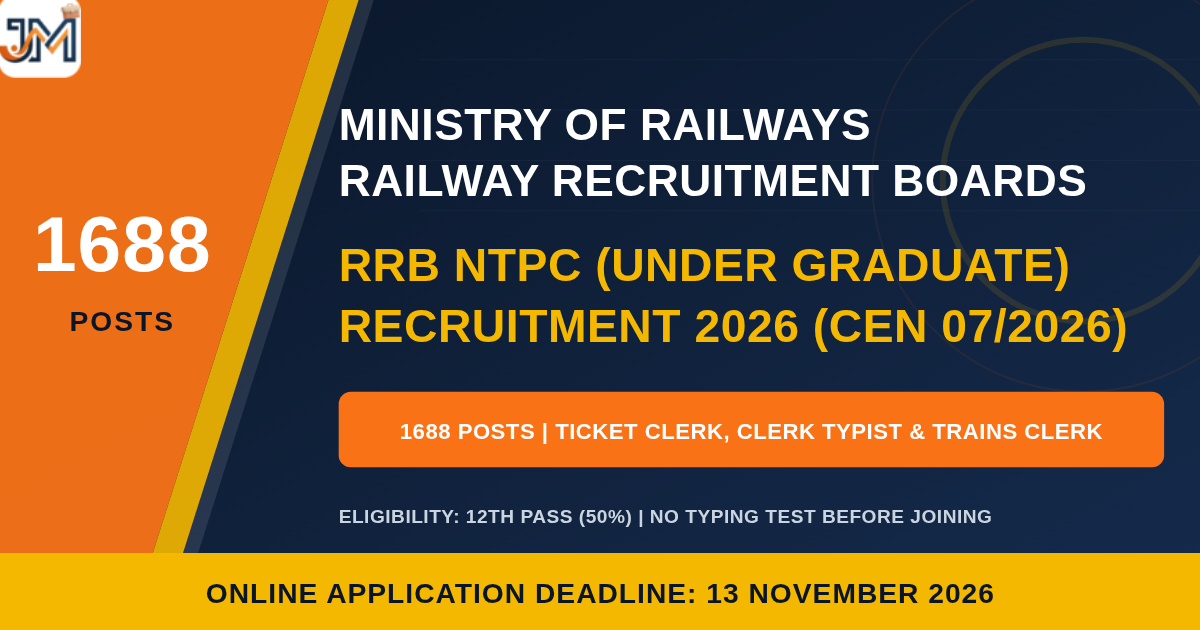
RRB NTPC UG Recruitment 2026 Centralised Employment Notification (CEN No. 07/2026) for 1688 Posts Organization: Ministry of Railways (RRBs) Total...
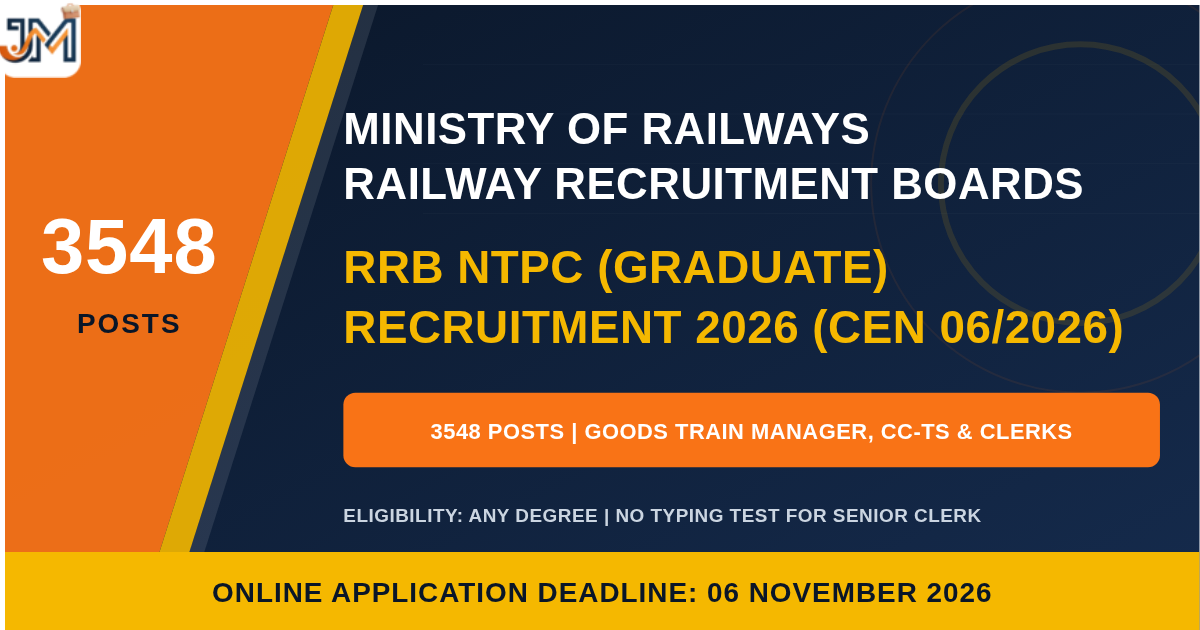
By Ppalak Miglani | Updated on October 08, 2026 RRB NTPC Graduate Recruitment 2026 Centralised Employment Notification (CEN No. 06/2026)...
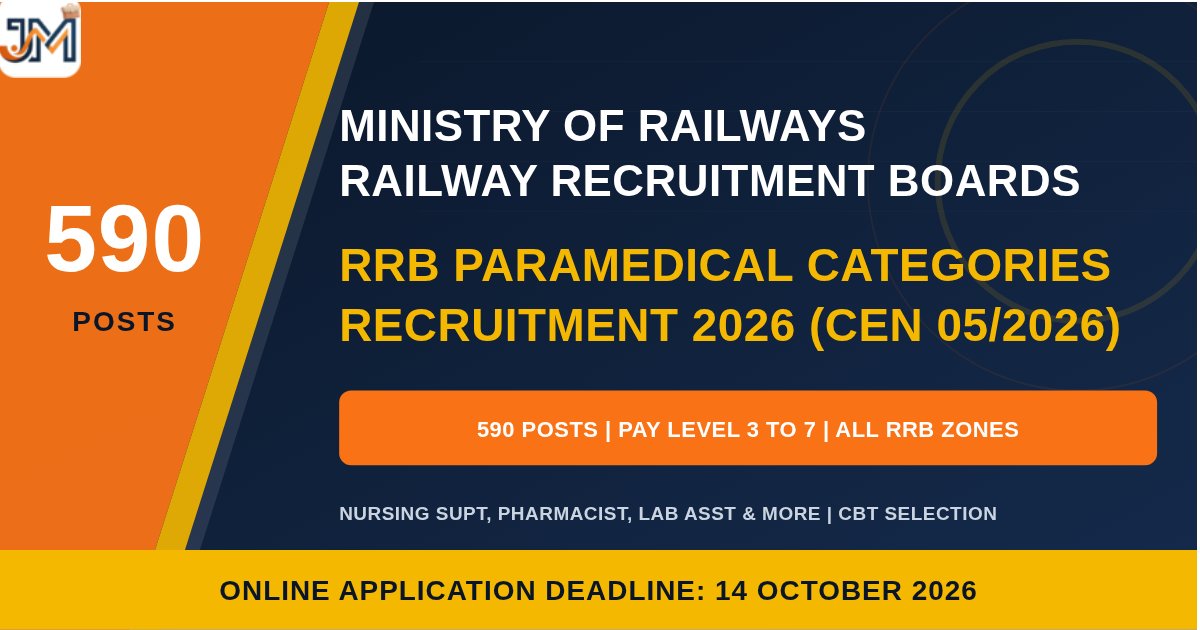
RRB Paramedical Recruitment 2026: Apply Online for 590 Posts (Detailed Notification Out) RRB Paramedical Recruitment 2026: Apply Online for 590...
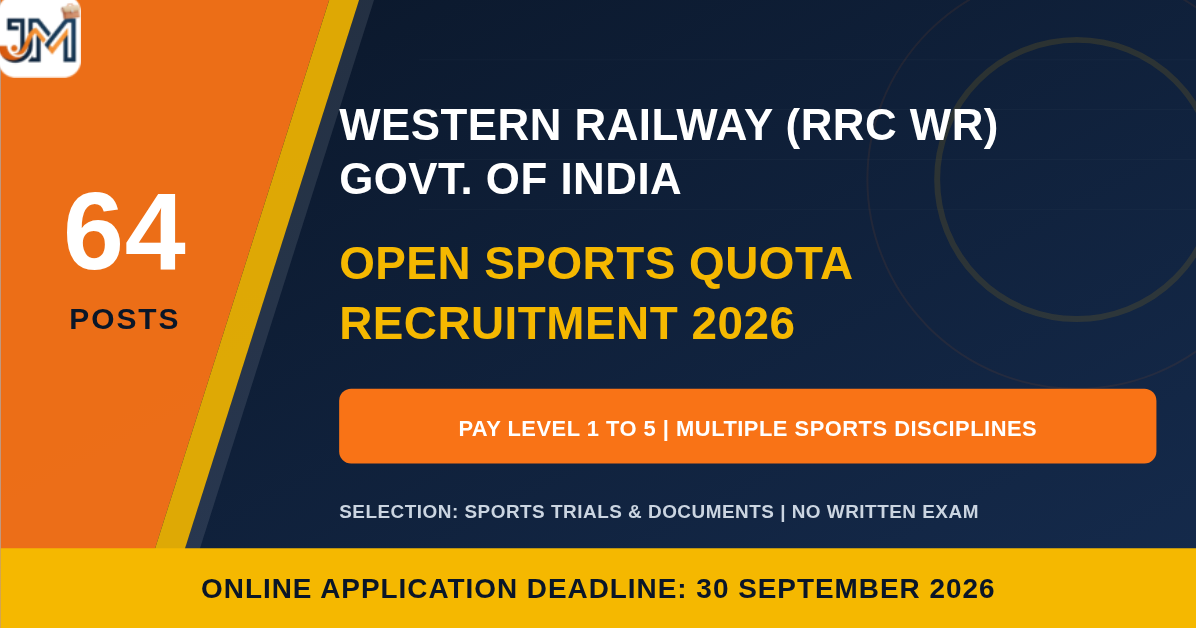
RRC WR Sports Quota Recruitment 2026 Apply Online for 64 Posts in Western Railway against Sports Quota Organization: Western Railway...
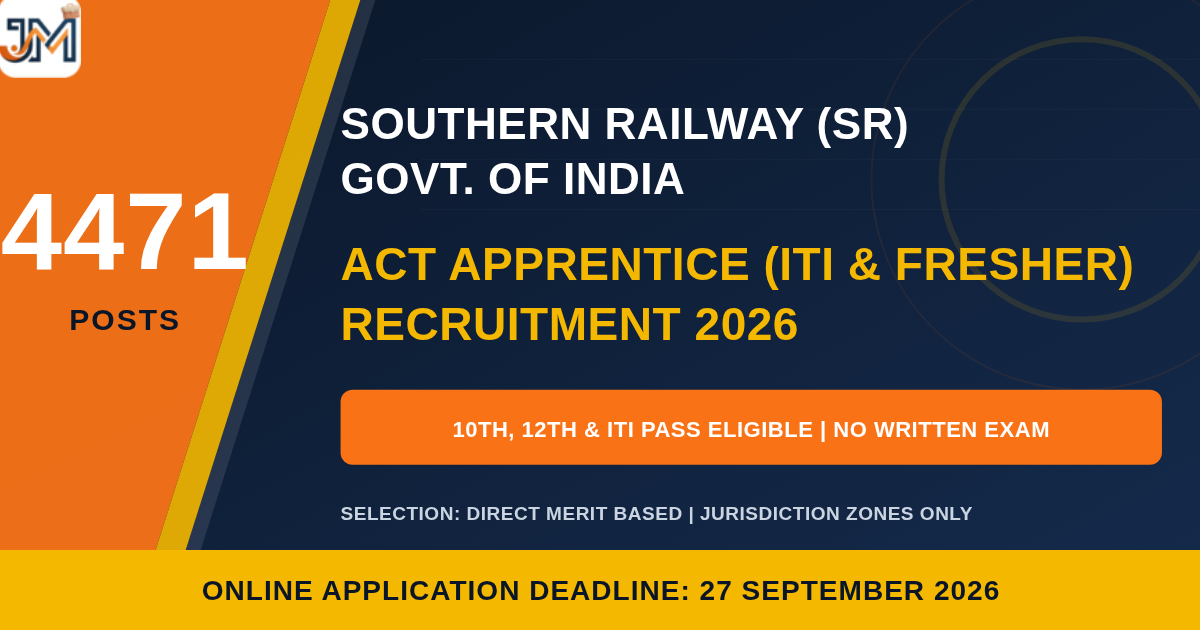
Southern Railway Act Apprentice Recruitment 2026 Apply Online for 4,471 Act Apprentice (Fresher & Ex-ITI) Vacancies Organization: Southern Railway Advt...
Ultimate Guide to Railway Jobs & RRB Exams
Discover major employment opportunities, technical careers and valuable benefits available through Indian Railways.
The Indian Railways is one of the world's largest employers and offers employment opportunities for candidates from different educational backgrounds.
Governed through various Railway Recruitment Boards (RRBs) and Railway Recruitment Cells (RRCs), Railway recruitment includes technical, non-technical, operational and support positions.
Railway Jobs offer technical exposure, travel benefits, railway accommodation and various duty-based allowances.
Major Railway Examinations
Railway Recruitment Boards conduct examinations for different qualification levels and job categories. Selection may include Computer Based Tests, skill or aptitude tests, document verification and medical examination.
RRB ALP (Assistant Loco Pilot)
Recruitment for candidates with Matriculation and ITI, Diploma or Engineering qualifications. ALPs assist Loco Pilots in safe train operations and technical monitoring.
RRB NTPC
Non-Technical Popular Categories include undergraduate and graduate-level posts such as Junior Clerk, Accounts Clerk, Commercial cum Ticket Clerk, Station Master and other operational positions.
RRB Group D
Large-scale recruitment for Level-1 posts for eligible 10th pass and ITI candidates. Positions may include Track Maintainer, Pointsman and various Helpers.
RRB JE (Junior Engineer)
Recruitment for Engineering Diploma and Degree holders for technical positions involving railway tracks, structures, mechanical systems, signals and technology.
RRB Paramedical Staff
Railway healthcare recruitment may include Staff Nurses, Pharmacists, Health Inspectors and Lab Technicians.
RPF / RPSF
Railway Protection Force recruitment includes Constable and Sub-Inspector positions responsible for railway security and passenger safety.
Core Railway Job Posts & Responsibilities
Assistant Loco Pilot (ALP)
Profile: Frontline operational role assisting the main Loco Pilot.
Responsibilities: Monitoring engine parameters, observing signals, checking track conditions and assisting with safe train operations.
Station Master
Profile: A managerial railway station position.
Responsibilities: Managing train arrivals and departures, coordinating station operations, ensuring passenger safety and supervising station activities.
Goods Guard / Train Manager
Profile: Operational staff member responsible for important train-related duties.
Responsibilities: Checking operational documents, coordinating with station staff and maintaining journey-related records.
Junior Engineer (RRB JE)
Profile: Technical supervisory position.
Responsibilities: Depending on the engineering discipline, JEs may supervise railway tracks, mechanical systems, electrical equipment, signals and telecommunications.
Salary Structure & Railway Allowances
Railway salaries follow applicable pay levels and may include allowances based on job profile, location and operational duties.
Level-1 Posts
Group D positions generally start with a basic pay of ₹18,000 under the applicable pay matrix, along with eligible allowances.
Running Staff Allowance
Eligible operational staff may receive mileage or running-related allowances depending on applicable railway rules and duties.
Undergraduate NTPC
Undergraduate NTPC positions fall under different pay levels depending on the post, with applicable allowances added to basic pay.
Graduate NTPC
Graduate-level NTPC positions such as Station Master and other posts have higher applicable pay levels depending on the recruitment notification.
Additional Railway Benefits
Depending on eligibility and applicable rules, employees may receive allowances, railway accommodation, medical facilities and railway passes.
Future Scope & Career Progression
Internal Promotional Opportunities
Indian Railways has established departmental promotion channels that allow eligible employees to progress into higher positions.
- Eligible Group D employees may progress through departmental opportunities and promotions.
- Assistant Loco Pilots can progress through different operational levels based on applicable rules and experience.
- Station Masters can progress into higher supervisory and operational positions.
Departmental Competitive Examinations
Indian Railways conducts departmental recruitment and competitive examinations for eligible serving employees. These opportunities can allow employees to compete for higher-level positions according to applicable rules.
Modern Railway Technology
Railway modernization is creating opportunities involving Vande Bharat trainsets, dedicated freight corridors, modern signalling, electronic interlocking systems and other advanced railway infrastructure. Technical employees can gain valuable experience in these areas.